
Fashion executives rank changing margin, cost and cash strategies as the second most significant challenge shaping the industry in 2026, behind tariffs, according to The Business of Fashion and McKinsey & Company’s The State of Fashion 2026 report. For independent brands without institutional backing, the margin for error is smaller still — and mistimed growth can be detrimental to business health.
It is against this backdrop that RaiseFashion launched its largest masterclass to date, bringing together 18 designers whose work spans womenswear, menswear, bridal, accessories and beyond. Founded to address the structural gaps that independent designers from underrepresented backgrounds consistently encounter, the programme provides its cohort with mentorship, supply chain expertise, financial literacy coaching and a network of industry leaders who have navigated the same terrain.
Felita Harris, co-founder and executive director of RaiseFashion, has seen what happens when growth is pursued prematurely. “Scaling is one of those words that gets used before it is understood. A lot of emerging brands run into trouble — not because they lack talent or ambition, but because they start building before they have the foundation to build on.”
Stephanie Roberson, chief merchandising officer at Shopbop and a RaiseFashion mentor, echoes this sentiment through a commercial lens: “That combination of deep customer insight, creative conviction and business discipline is what transforms a beautiful product into a sustainable brand.”
Six designers from this year’s cohort — Daveed Baptiste, Greg Jackson of Greg Laboratory, Haoran Li of Private Policy, Hiywet Mimi Girma of Yesaet, Mark Grattan and Olivia Cheng — sat down with BoF’s Content Strategist Yasmine Dahlberg to discuss the shared pressure to scale quickly. While each navigates a different stage of business growth, merchandising and target audience — they collectively experience the consequences of an industry that conflates momentum with maturity.
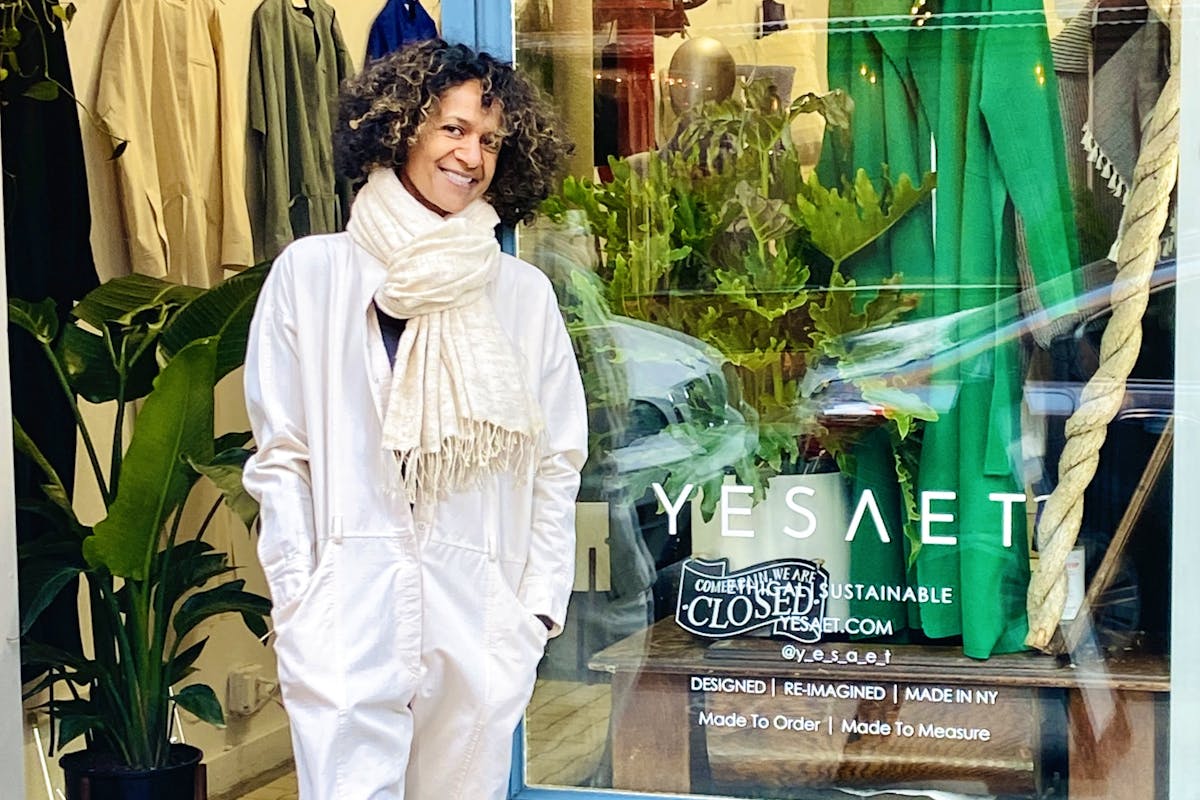
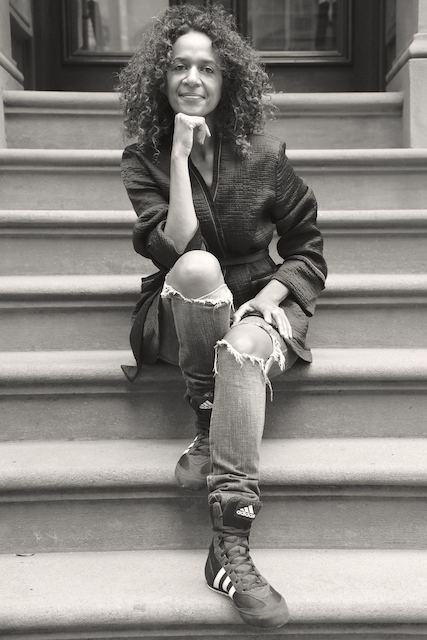
Hiywet Mimi Girma, Yesaet
Everybody wants sustainable artisanal brands these days, but then the terms that they are asking for don’t match that request.
— Hiywet Mimi Girma
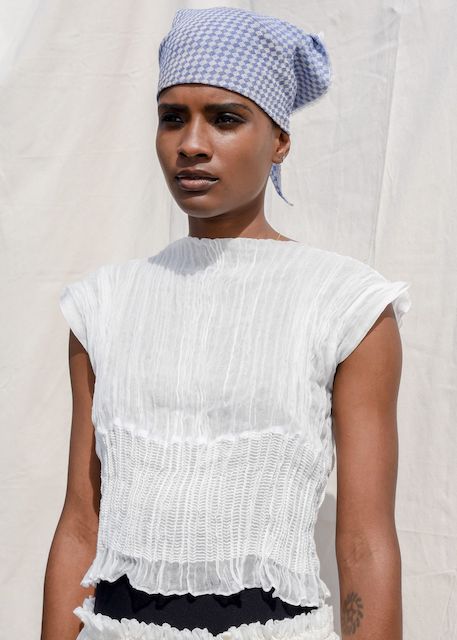
Hiywet Mimi Girma launched Yesaet in February 2020, two weeks before the outbreak of Covid-19. The pause forced her to spend time building out her brand vision and universe, a process that has shaped the brand’s evolution.
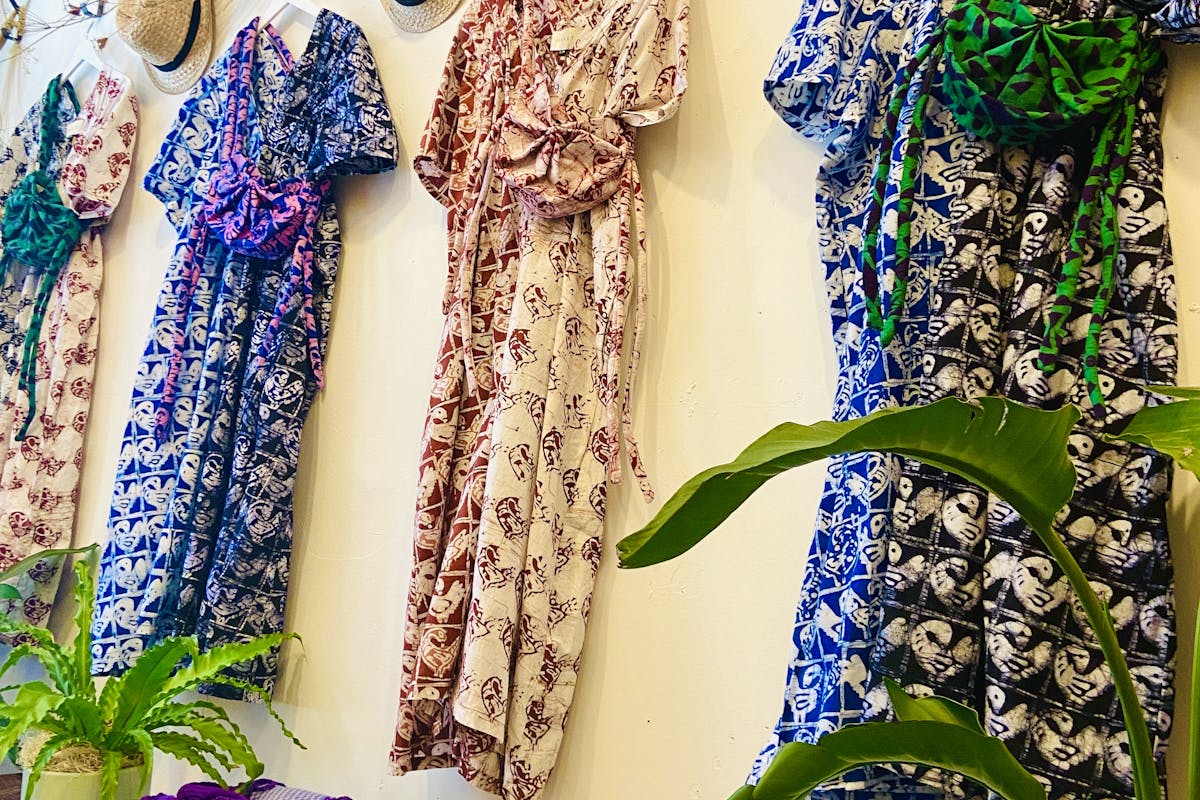
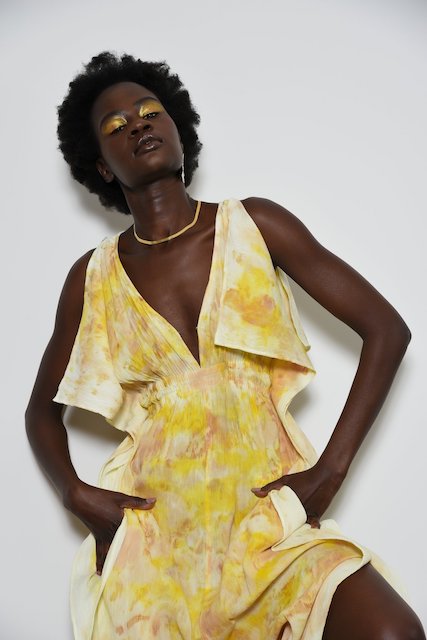
Yesaet, which means “a woman’s work” in Amharic — the official language of Ethiopia — works directly with female artisans in East and West Africa who spin the yarn and weave the cloth required to produce the brand’s collections, a process reflective of Girma’s own Ethiopian heritage. Girma then constructs the pieces in New York, where all products are made to order to avoid waste and control minimums.
“Growth needs to be intentional. I can’t fulfil every request, especially when it comes at the expense of either the number of pieces or the time required to create them properly,” Girma says. Specialty partners have come to understand that lead times are part of the brand value and that colour variation between two pieces is not an inconsistency but a feature indicative of handmade craft.
For Girma, however, there is a disconnect between the industry’s appetite for sustainable, artisan-led brands and its accommodation for their unique operations.
“Everybody wants sustainable artisanal brands these days, but then the terms that they are asking for don’t match that request,” she says.
Trade show fees, payment structures and wholesale timelines are all unsuited to brands like hers.“There needs to be a change in that system to help sustainable brands — especially small emerging ones. Meet us halfway so that we can pay the artisans on time.”
This structural argument speaks to her passion for access, a topic she explores in good company at RaiseFashion. “It can be very lonely when you build a brand, so having others to talk to about how they are doing things — that’s a huge plus,” says Girma.